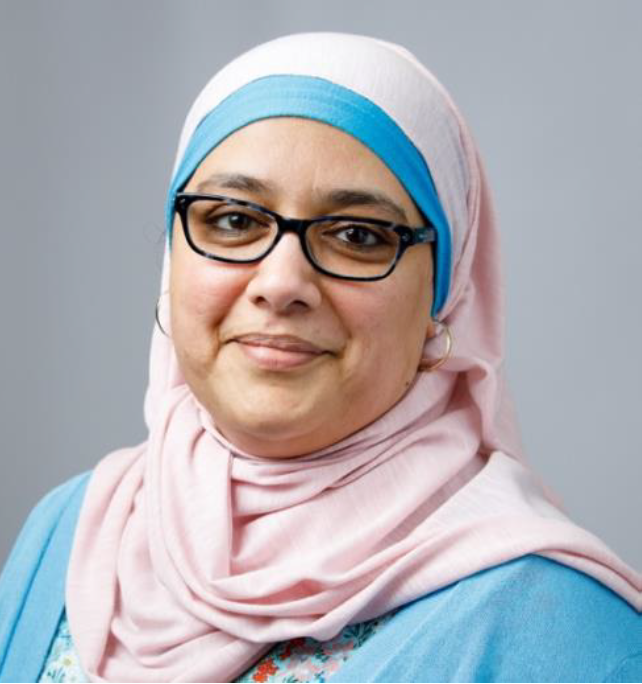

In this member spotlight, we feature Mumtaz Parker CPMgr CMgr FIML, Head of Corporate Services at Water New Zealand, where she draws on her own personal story and her book, Betting on a Hijabi. Mumtaz shares her perspectives on what it takes to lead effectively, challenge assumptions and create workplaces where people feel valued.
Looking back on your leadership journey, what experiences have most shaped the leader you are today? Were there any moments that fundamentally changed how you think about leading others?
Working across education, health and the water sector has shaped my leadership considerably. The work differs, but the common thread is people: understanding what matters to them, helping them navigate change and creating the conditions for them to succeed.
Being a visibly Muslim woman has also influenced how I lead. I know what it feels like to enter a room and wonder whether people see your capability or their assumptions about you.
Some of my most formative experiences have been times when my contribution was underestimated, alongside moments when someone trusted me with an opportunity before I felt entirely ready. Both have made me more intentional about recognising potential and opening doors for others.
I also learned what kind of leader I didn’t want to be. Some experiences showed me how easily people can lose confidence when they feel unheard or unsupported. Those moments made me more deliberate about listening, explaining my decisions and creating an environment where people feel respected and able to contribute.
We often learn as much from the managers we work with as we do from our own experiences. What has your journey taught you about the difference between being a good manager and being an effective leader?
I value good management. Clear priorities, sound systems and follow-through make a real difference to people’s working lives. Effective leadership builds on that by helping people understand the purpose of their work and giving them confidence to exercise their own judgement.
The managers who have influenced me positively have combined high expectations with trust and wrap around support. They have made space for questions, explained their decisions and been willing to listen.
My experience has taught me to pay attention to how people experience my leadership. Delivering results matters, but so does whether the team feels able to challenge me, raise a concern or admit they need help.
Your book “Betting on a Hijabi“, explores identity, resilience and what it means to lead in spaces where you may not always feel you belong. What inspired you to share this story, and what do you hope readers take away from it?
Betting on a Hijabi started as a journal—a place to write down my experiences, process challenges and reflect on what I was learning. Over time, I realised that sharing those reflections could help others who had felt underestimated, questioned their belonging or struggled to find their voice.
While my story is shaped by my experiences as a Muslim woman, its themes reach beyond faith or background. It is for anyone who has doubted themselves, faced barriers or felt they did not fit the expected mould.
My hope is that readers feel less alone and more confident to find their voice, back themselves and pursue opportunities without leaving part of who they are behind. I also hope it encourages leaders to consider whose voices they might be overlooking and how they can make space for those people to be heard.
How has your own experience of navigating assumptions and barriers influenced the way you lead and support others? What can managers do to create environments where people feel seen, valued and able to contribute?
Experiencing assumptions about who I am and what I am capable of has made me more conscious of how I treat others. I know how discouraging it can be to feel unheard or underestimated, and I want people to feel respected, supported and confident to contribute.
Communication is central to that. How a message is delivered can matter as much as the message itself. Tone, timing and a willingness to listen can make a significant difference, particularly when having difficult conversations or navigating change. I try to be clear and honest while considering how my words might be received.
For me, people are at the core of leadership. Bringing people on a journey means explaining the purpose, making space for their questions and concerns, and walking alongside them with support as they move forward.
Managers can create that environment by getting to know their people, asking for their perspectives and following through on what they hear. People feel valued when they can see that their voice has influenced a decision, their contribution is recognised and their leader is there to help them succeed.
As we reflect on the year that’s been, what is one leadership lesson you have learned recently that has made you rethink your approach to managing people?
Rather than making me rethink my approach, this year has been a useful reminder of something I already value: giving people the space to take ownership.
When things get busy, it is easy to dive in and help, especially when you care about your team and the outcome. But stepping in too quickly can take away someone’s opportunity to work through a challenge and grow.
It has reminded me to pause and ask, “What do you think we should do?” or “What support would be useful?”. Sometimes people need practical help; other times, they need encouragement and trust. Leadership involves recognising what is needed in that moment.
Empathy, trust and communication are often described as essential leadership capabilities. In your experience, what do these look like in practice, particularly when navigating difficult conversations, competing priorities or different perspectives?
For me, empathy means seeking to understand someone’s perspective and circumstances before responding. Trust is built through being consistent, following through and creating space for people to speak honestly.
Communication is particularly important in difficult conversations. The words we choose, our tone, the timing and the setting all influence how a message is received. I try to prepare carefully, be clear about the concern and avoid making assumptions about someone’s intentions. It is also important to give the person time to explain their perspective and listen to understand, rather than simply waiting to respond.
Empathy and accountability can sit together. We can have an honest conversation about expectations while treating someone with dignity and working through what support or change is needed. I want people to leave knowing where they stand, what happens next and that their perspective has been heard.
When priorities compete or perspectives differ, I bring the conversation back to our shared purpose, explain the trade-offs and clarify what we can realistically achieve. Bringing people along requires ongoing conversation and a willingness to check that we have understood each other.
If you could encourage every manager to make one change to their leadership approach in 2027, what would it be? What’s one question you believe they should ask themselves as they reflect on the year ahead?
I would encourage every manager to make self-reflection a daily habit. It is easy to move from one meeting, conversation or decision to the next without pausing to consider how we have shown up and the impact we have had on others.
It is a privilege and an honour to lead people and to be entrusted with responsibility for managing and supporting them. Our actions can influence their confidence, development and everyday experience of work. That responsibility deserves care and thoughtful reflection.
A few minutes to ask whether we listened properly, communicated clearly and provided the support people needed can help us recognise what went well and what we could handle differently. It also means being honest about our own assumptions and reactions, particularly when under pressure.
My question would be: “What was it like to be led by me today, and what will I carry forward or do differently tomorrow?”.
For me, leadership development happens through these everyday moments, alongside formal learning. We need to be willing to look at ourselves as carefully as we look at the performance of others.